Trough Thinking: A Half-Day Canal Walk from Chirk Aqueduct to Pontcysyllte
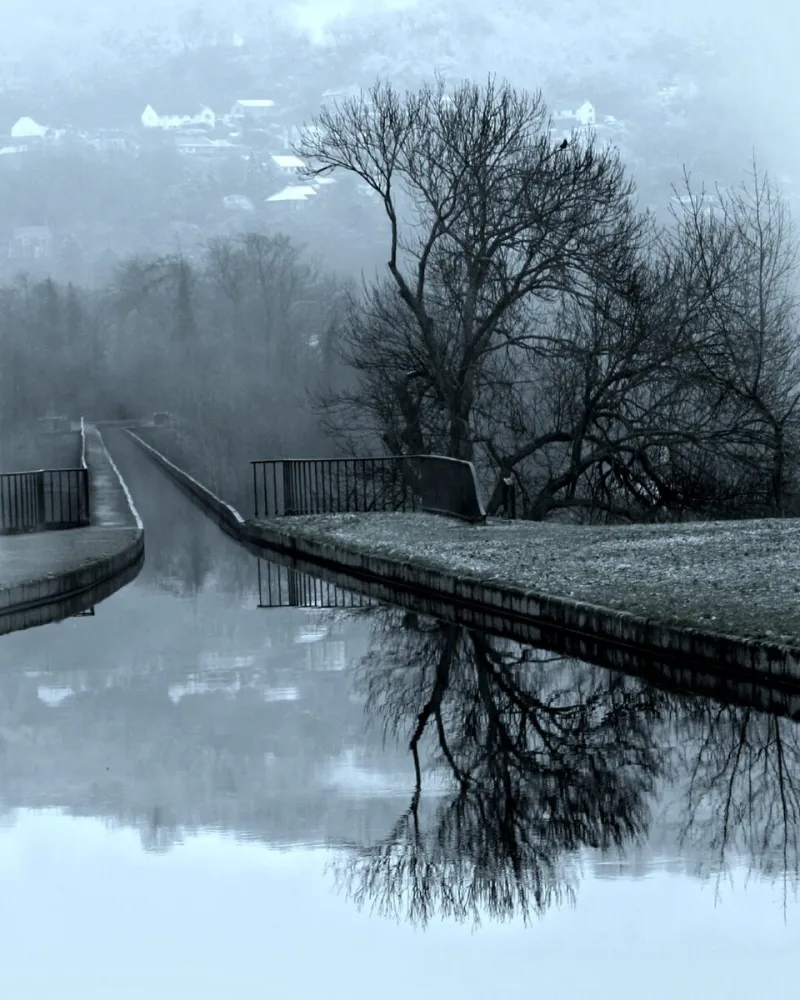
Photo: A1chap Tony, CC BY-SA 4.0, via Wikimedia Commons
Some walks are about covering ground. This one is about catching light. The Llangollen Canal between Chirk Aqueduct and Pontcysyllte Aqueduct is a half-day outing rather than a full hike: four-odd miles of towpath, two extraordinary pieces of engineering and a return bus that saves your legs for the pub. In winter, when the sun sits low and the canal turns to pewter, it is one of the best short walks on the border.
The route at a glance
The walk is roughly four miles, or about 6.5km, one way. Allow two and a half to three and a half hours with stops, longer if you keep pausing for photographs. The surface is mostly compact gravel towpath, with muddy sections after rain and a few narrow spots. Start at Chirk Aqueduct and finish at Trevor Basin, beside Pontcysyllte Aqueduct. The return can be done on foot, by bus or by a combination of bus and train.
Getting to the start
Chirk station is about 20 minutes’ walk from Chirk Aqueduct, which makes the train a genuinely useful option. By car, parking near Chirk Bank is limited and mostly roadside; the leisure centre or station car parks in Chirk are safer bets. Use the toilets in the village before setting off, because facilities on the towpath are thin on the ground. If you are coming from Wrexham or Llangollen, the bus drops you in Chirk, and you can walk down to the canal.
On the towpath, step by step
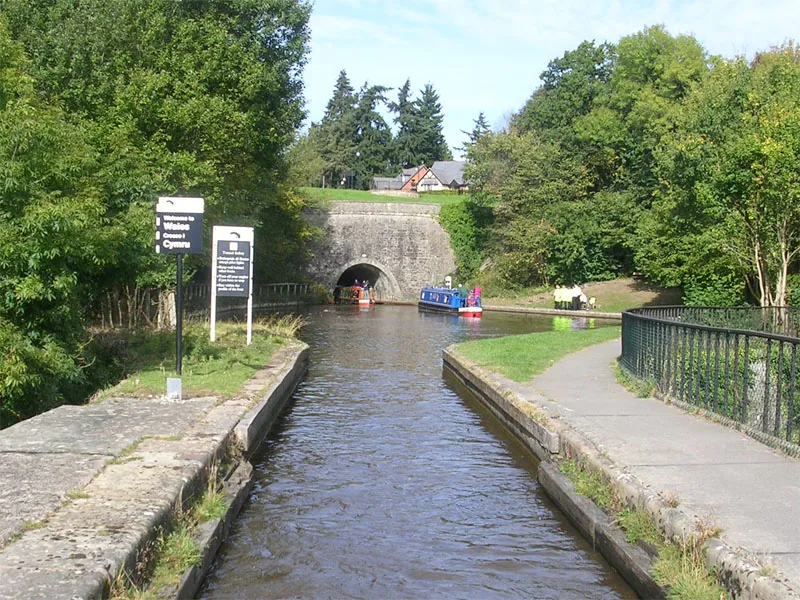
From Chirk Aqueduct, follow the Llangollen Canal north-west towards Llangollen. The aqueduct itself is a fine warm-up: iron trough, stone arches and a sudden sense of height. Beyond it, the towpath runs past Chirk Tunnel and Whitehouse Tunnel, where the path narrows and the light drops away. Carry a small torch or use your phone, and check local notices for any towpath closures. Keep left where possible, give way to cyclists and keep dogs close near the aqueducts.
After the tunnels, the canal opens out towards Froncysyllte. This is gentle, easy walking, with benches at intervals and views across the Dee valley. The final stretch brings you to Trevor Basin and the approach to Pontcysyllte. You will know you have arrived when the towpath lifts onto the iron trough and the valley opens beneath you.
The two aqueducts
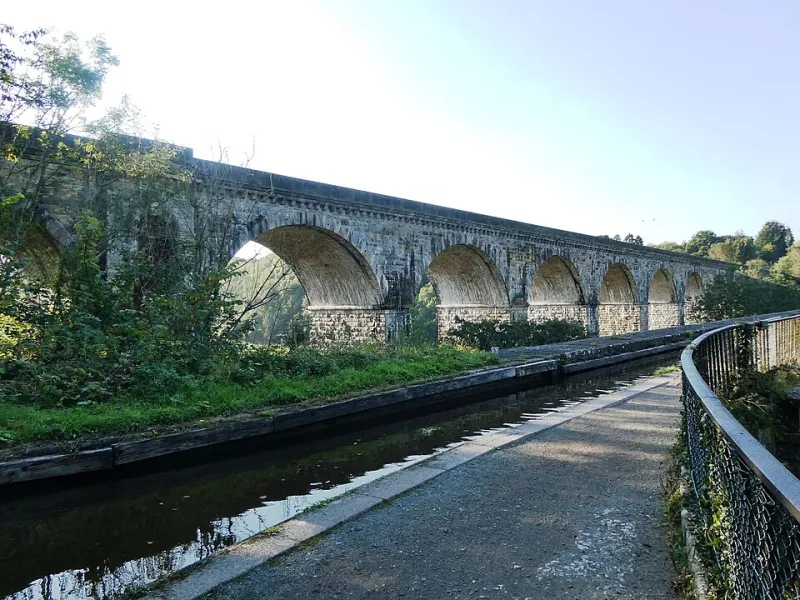
Chirk Aqueduct was completed in 1801 by Thomas Telford and William Jessop, with ten arches carrying the canal high above the Ceiriog. Pontcysyllte followed in 1805: just over 1,000 feet long, about 126 feet high and still a proper head-turner. In winter the low sun catches the ironwork and the water at different angles, especially around midday. On Pontcysyllte, the towpath has a railing on one side and open views on the other; keep children close and dogs on a short lead.
Buses, benches and loo stops
For the return, head up to the A5 at Trevor or Froncysyllte and pick up the Wrexham–Llangollen bus. Check the current timetable with Traveline Cymru before you travel, as Sunday and winter services can be sparse. If the bus does not continue to Chirk, change at Ruabon or Wrexham. Cafés and pubs include the Trevor Basin visitor centre (seasonal hours), the Aqueduct Inn at Froncysyllte and the Hand Hotel back in Chirk. Public toilets are available at Trevor Basin and in Chirk, but not along the middle of the route. Benches are spaced along the towpath, with good stopping points at Chirk Aqueduct, Froncysyllte and Trevor Basin.
Where the winter light is best
The best low winter sunlight is usually late morning to early afternoon. At Chirk Aqueduct, the sun can pick out the stone arches and the reflection in the canal; at Pontcysyllte, it lights the iron trough and the valley beyond. Avoid icy mornings, when the towpath and aqueduct edges can be slippery. A clear, cold day is ideal; a wet one is atmospheric but slower going.
Practical kit and safety
Wear boots or sturdy shoes, carry a waterproof and a torch, and take water. The towpath is unlit, and the tunnel sections are dark. Keep dogs on a lead near the aqueducts and livestock, and supervise children closely on the narrow sections. Check for canal closures or maintenance before setting out. This is a half-day walk, not an expedition, but it deserves proper shoes and a bit of daylight discipline in winter.