Cold Water, Quick Birds: A Winter Walk Along the Ceiriog from Chirk
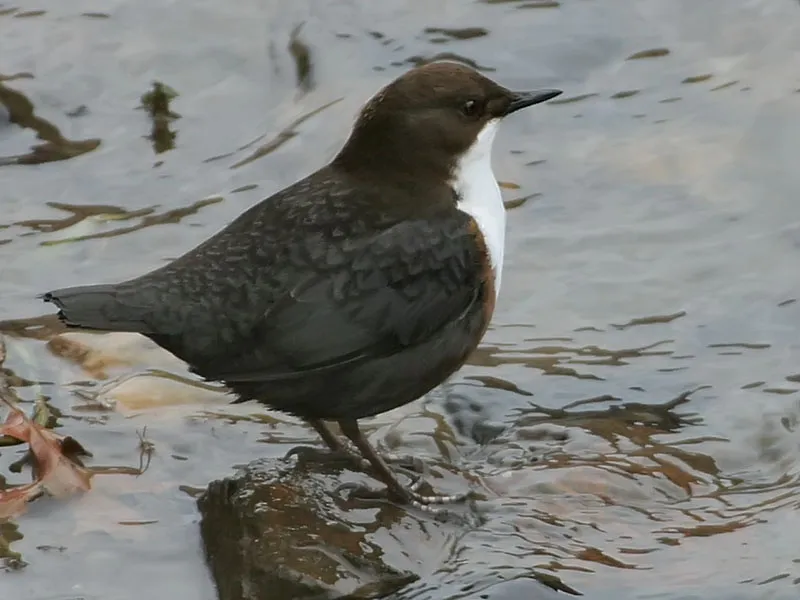
Photo: Thomas Kraft (ThKraft), CC BY-SA 2.5, via Wikimedia Commons
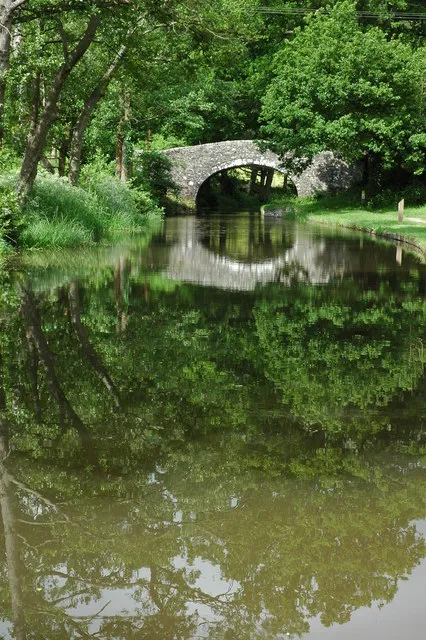
Chirk has a way of pulling visitors towards two things: the castle on its rise and the canal crossing the Ceiriog on its high arches. Both are excellent. But on a sharp morning, when the towpath is busy with people in good coats and the castle parkland is full of cheerful dogs, there is another Chirk that stays mostly quiet. It runs below the village, through the trees and meadows beside the River Ceiriog, and in winter it is one of the best places in the border country to spend an hour or two with birds.
This is not a grand expedition. It is a short riverside walk, an out-and-back from the village with plenty of chances to stop, listen and look. The aim is not to tick off a list but to notice how a small river behaves in cold weather — and which birds make their living from it.
Where the village lets go
Start in Chirk village and make your way towards the river by public footpaths and quiet lanes. The exact route can flex depending on where you begin, but the idea is simple: leave the shops and houses behind, follow the general line of the Ceiriog, and keep an eye on the map for the riverside meadows and paths that sit below the castle and canal. An out-and-back of roughly two to three miles is enough for a morning, and it can easily be shortened if the weather turns or the light begins to go.
Winter is an honest season for this walk. The hedges are thin, the views open up and the river is often clearer than you expect. You are not walking through a green tunnel; you are walking beside a working border river with stones, roots, muddy edges and the occasional flash of movement.
The birds that make the river worth it
The dipper is the bird most people come for, and it deserves the attention. Look for a dark, squat shape on a midstream stone, bobbing as if testing the rock beneath it. Its white throat and chest catch the light. Then it will do something no ordinary songbird should do: walk straight into the water and disappear. Dippers feed on aquatic insects and small invertebrates, and in winter they hold their territories along fast, clean stretches of river. If you see one, stay still and give it room. It will often carry on as if you are part of the bank.
Grey wagtails are easier to find and just as lovely in their own way. They have long tails, grey backs and a wash of yellow underneath, and they seem to pump their tails constantly. Bridges, weirs, mill races and stony edges are all good places to look. In winter they often work the same short stretches of river again and again, picking insects from the margins.
Kingfishers are the maybe bird. You may see one, or you may not. A low, fast flight and a blue flash over grey water is often all you get. Cold snaps can push them towards stretches that stay open and unfrozen, so a hard frost is not a bad sign. But a kingfisher is never guaranteed, and the walk should not depend on one. The pleasure is in the possibility.
Winter thrushes in the hedges
Step away from the river edge and the walk changes character. The fields and hedgerows around Chirk become a winter larder for thrushes that have come in from colder places. Redwings and fieldfares are the classic winter visitors, often in loose flocks, stripping berries and working the softer ground. Redwings are smaller and neater, with a pale stripe over the eye and a thin, seeping call that is easy to learn. Fieldfares are bigger and greyer, with a confident, clattering voice.
Look for berry-heavy hedges, ivy and hawthorn especially. Listen as much as you look. A quiet winter field can suddenly give itself away with a few calls from the top of a hedge.
Reading the river safely
The Ceiriog is a small river, but it is not a tame one. After heavy rain it can rise quickly, and the muddy edges and wet roots become genuinely slippery. Check the forecast and river levels before you set out, and be prepared to change the plan. Natural Resources Wales and the Met Office are the places to look. If the river is high and brown, walk the lanes instead and come back another day.
Stay back from the bank, especially where it is undercut. Keep dogs on a lead near the water and near birds, and keep your own distance from any dipper or wagtail you find. Binoculars are better than footsteps. Winter daylight is short, so start earlier than you would in summer and carry a small torch. Wear boots with grip, take a warm layer and do not rely on a phone signal in every dip of the valley.
A route that can shrink or stretch
The beauty of this walk is that it does not need to be a fixed circuit. From the village, follow the river for as long as the morning is kind, then turn back the same way. That gives you a second chance to see the same stretch in different light, and it keeps the logistics simple. Allow an hour and a half to two hours if you are birdwatching properly, with stops. If you are simply walking, it will be quicker.
It is also a good walk from Chirk station if you are arriving by train, though check times before you commit to a late return. And if the river is in spate or the wind is cutting, the castle parkland and canal towpath remain fine alternatives. This is not a replacement for those walks. It is the quieter option for the days when you want the border valley to feel like a place rather than an attraction.
Back towards the bridge
Finish by drifting back into the village, perhaps with cold hands and a few notes in your pocket. You may have seen a dipper, a grey wagtail and a hedge full of redwings. You may have seen nothing but a heron and a lot of grey water. Both are honest results in winter. The Ceiriog does not perform on demand, and that is part of why it is worth walking.