Browsing the Border: A Slow Half-Day Among Chirk's Independent Shops
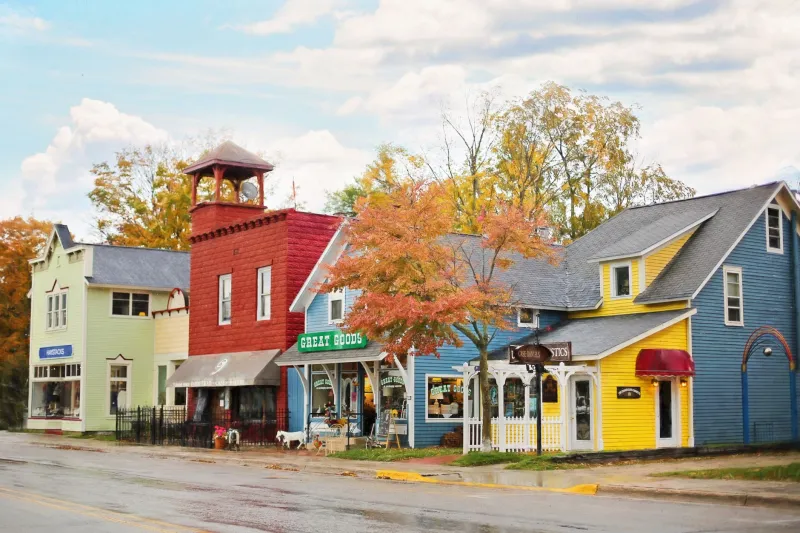
Chirk is the sort of place people drive through on the way to somewhere else. The A5 does its wide, impatient thing on the edge of the village, the bypass carries the lorries off towards Wrexham, and half the traffic never realises there's a high street at all. Their loss. Because if you turn off and park up, you'll find a compact little centre where the shops are still individually owned, the staff recognise the person behind you in the queue, and nobody is trying to sell you a fridge magnet of a place you're not actually in.
This isn't a grand shopping destination. Nobody is suggesting you come to Chirk instead of Chester or Shrewsbury. But a half-day here — a proper browse, a proper coffee, a bag of something local to take home — is one of the more pleasing things you can do on the border, and it costs you almost nothing in fuel.
Getting your bearings
The heart of it is Church Street and the lanes running off towards the parish church, with Station Road and Castle Road picking up the rest. Everything is within a few minutes of everything else, which is the great advantage of a village this size: you don't need a plan so much as an order in which to do things.
Parking is the one thing worth thinking about in advance. The streets around the church are narrow and residents will thank you for not treating them as a car park. There are proper car parks a short walk from the middle, and the walk in — past the churchyard wall, past the war memorial — is a decent way to start.
One honest caveat before we go further: shops on a high street this small change hands, change hours and occasionally close for a fortnight in January. Treat the descriptions below as types of places to look out for rather than a fixed list, and check opening times on the day if you're travelling any distance.
The everyday shops that make a village work
Start with the food, because that's what a high street is really for. A border village like Chirk holds on to its butchers and bakers longer than most, and it's worth using them. The butcher's counter is where you'll find proper bacon, sausages that haven't travelled the length of the country, and someone who will tell you exactly how to cook the thing you've just bought. The bakery does the morning trade — sausage rolls still warm, bread that goes stale in two days because it hasn't been engineered not to.
Around them you'll find the smaller, more eccentric stuff: a greengrocer's shelf of whatever's in season, a shop that sells everything from picture hooks to bird seed, a hardware place where you can buy one screw rather than a box of forty. These are the businesses that quietly hold a village together, and popping in for a pint of milk is a more useful act of local support than any amount of earnest posting about shopping small.
Gifts, if you need an excuse
If you're after something to take home for someone, Chirk does nicely without any of it being self-consciously 'artisan'. Think locally made preserves and chutneys, Welsh cakes, honey, small pieces from local makers, second-hand books, the sort of ceramics that look like they came from a kitchen rather than a showroom.
The charity and second-hand shops are worth a slow rummage — this is border country, so the bookshelves tend to be strong on local history and walking guides, often for a pound or two. And if you want something that says Chirk rather than just Wales, you'll do better in the small shops than anywhere else.
Where to sit down
You need a mid-morning stop, and this is where the village punches above its weight. There are cafés and tea rooms within a few hundred yards of each other, and a couple of pubs that do food at lunchtime and are perfectly happy to see you in muddy boots after a canal walk.
My advice: do the shops first, the café second. Go in around eleven, before the lunch rush, and take a window seat. A pot of tea, a toasted teacake, twenty minutes of watching the village go about its business — that's the whole point of the morning. If you've got children with you, most places are relaxed about it; this isn't a village that stands on ceremony.
A half-day that works
- 10.00 — Park up, walk in, start with the churchyard and the war memorial for a bit of context.
- 10.15 — Butcher, baker, greengrocer. Buy something for later rather than for now.
- 11.00 — Gift shops and the second-hand shelves. Give yourself permission to browse slowly.
- 11.45 — Café. Sit down properly. Order the cake.
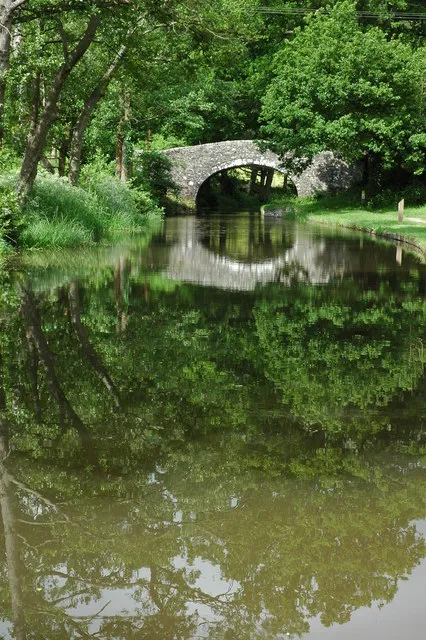
- 12.45 — A short leg-stretch: down towards the canal, or a loop of the churchyard if the weather's turned.
- 13.30 — Home, with bread, bacon and a paperback you didn't need.
The small print
A few things worth knowing. Sunday is quiet — a handful of places open, many shut, and the cafés tend to run shorter hours, so Saturday is the better day if you want the full experience. Some small shops still prefer cash, or have a minimum card spend that will surprise you, so carry a tenner. And don't expect late opening: this is a village that shuts up when the light goes, which is part of its charm if you're not caught out by it.
Most of all, go in and talk to people. In a place this size, the shopkeeper is the local historian, the weather forecaster and the best source of advice on which footpath is currently a swamp. Ask what's good. You'll come away with more than you came for.